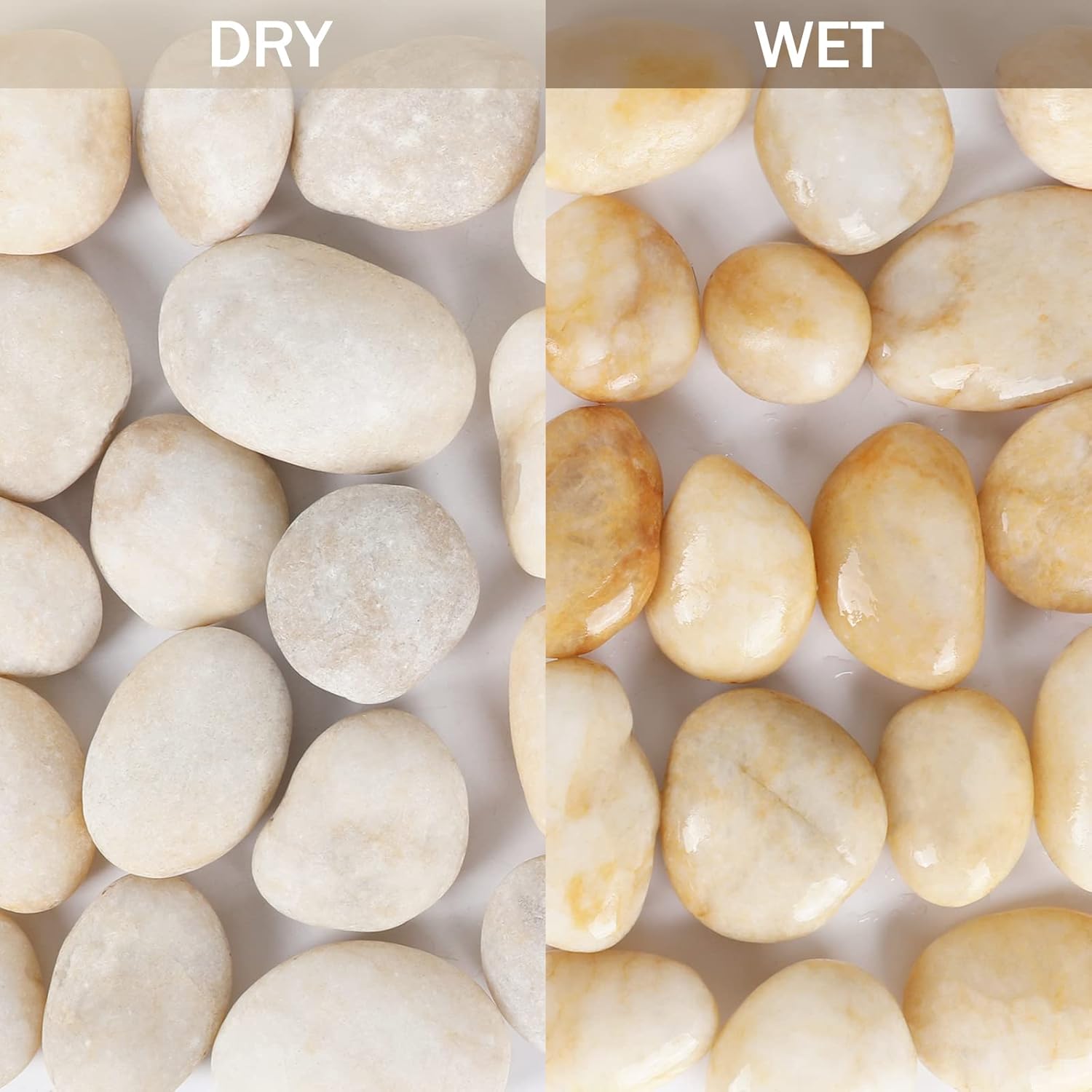
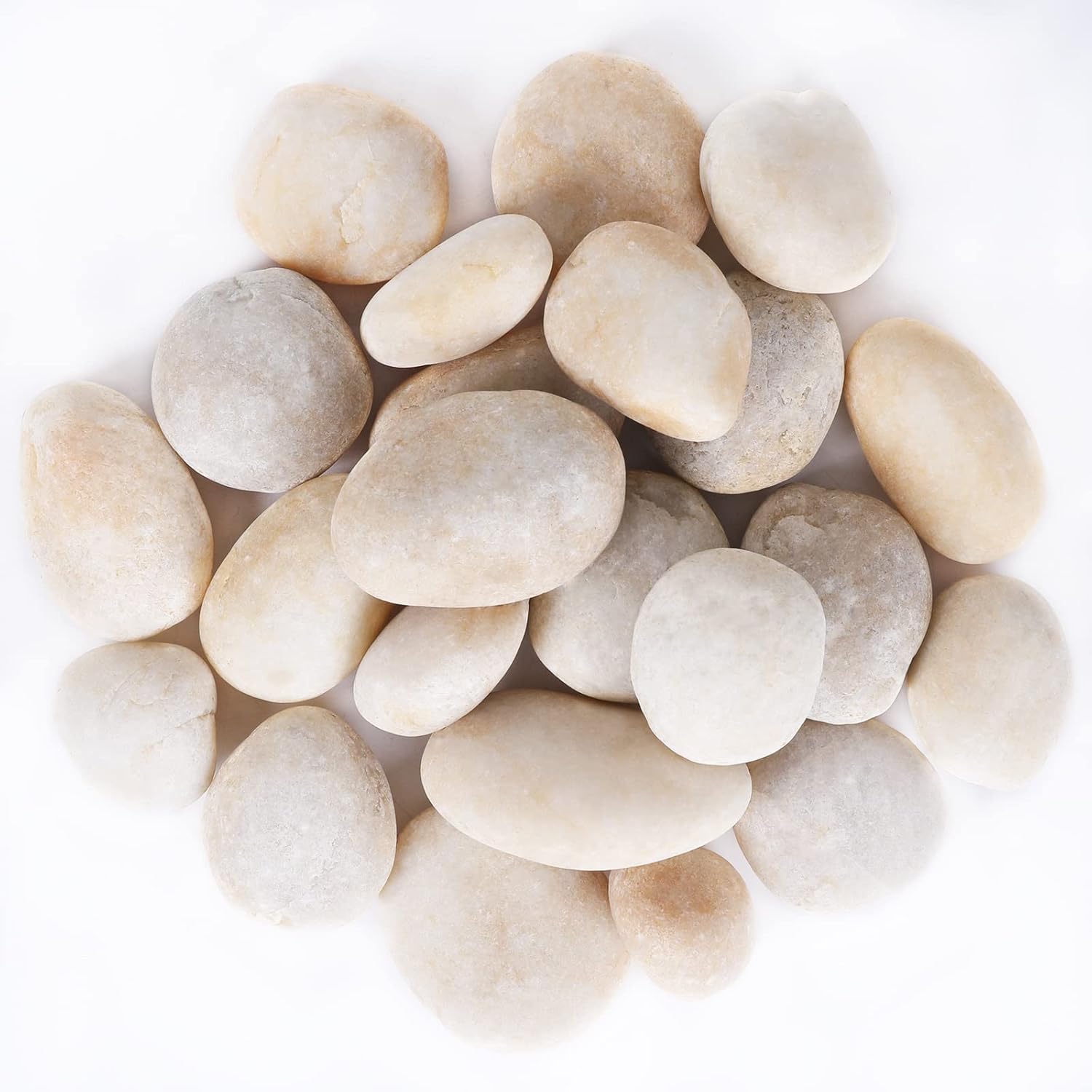
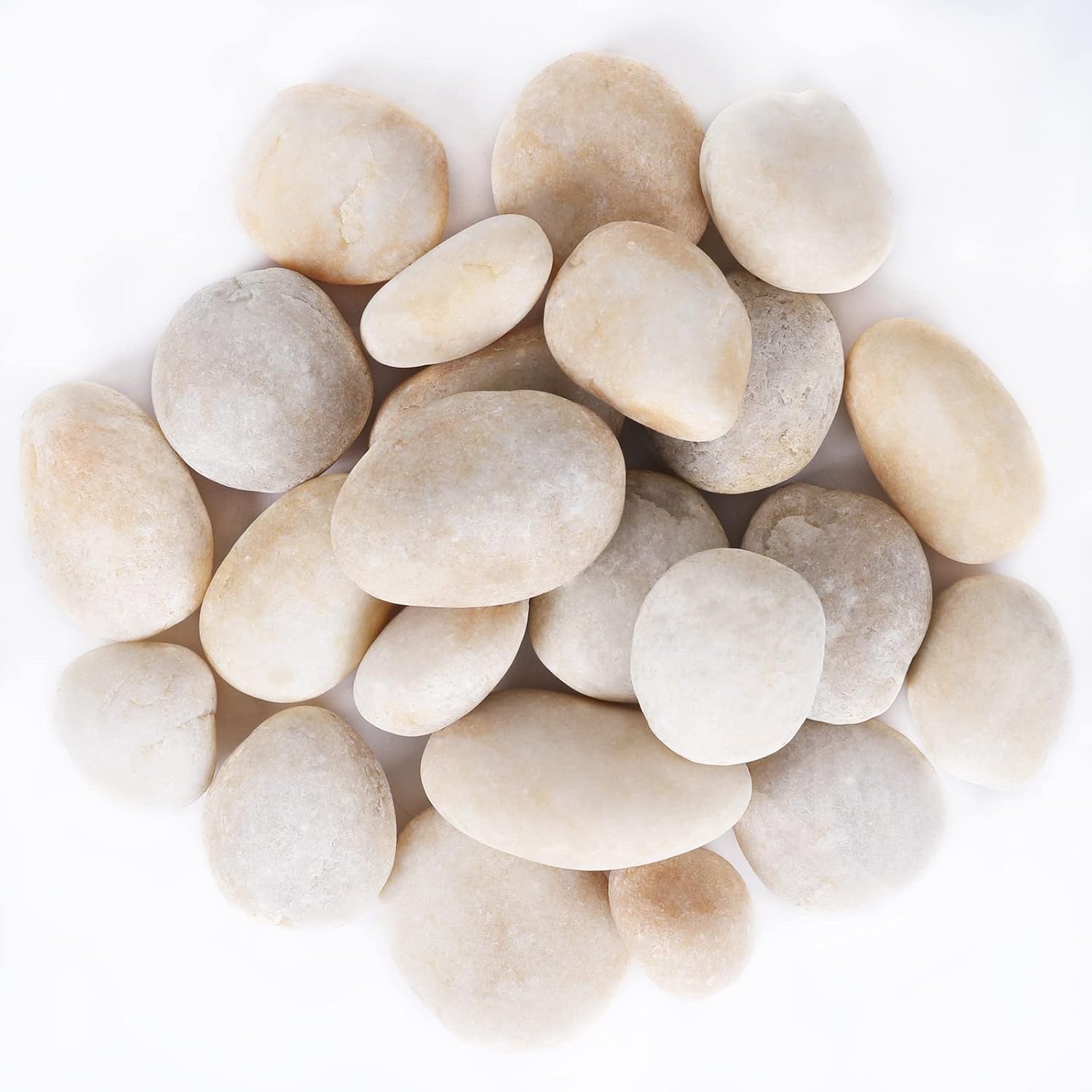
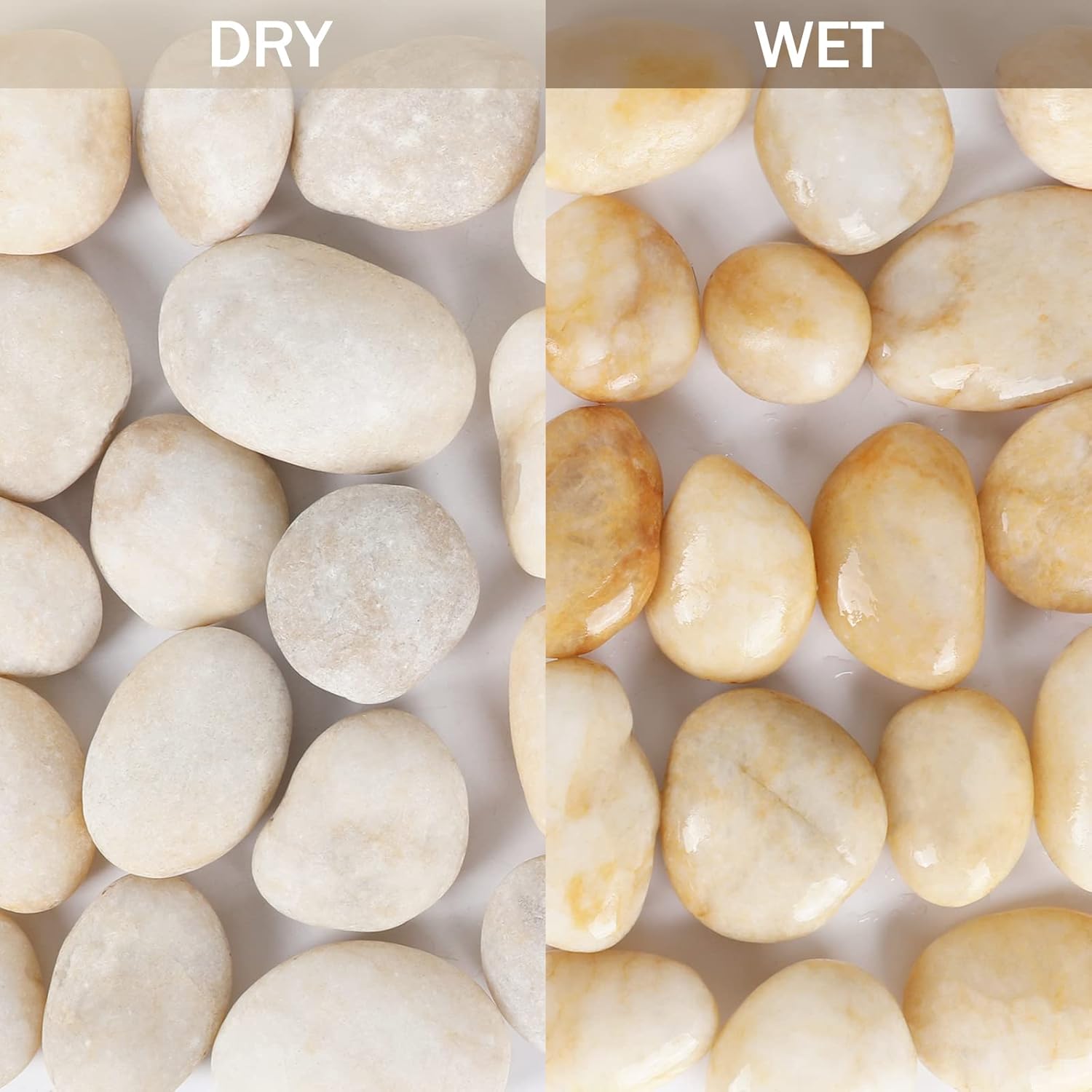
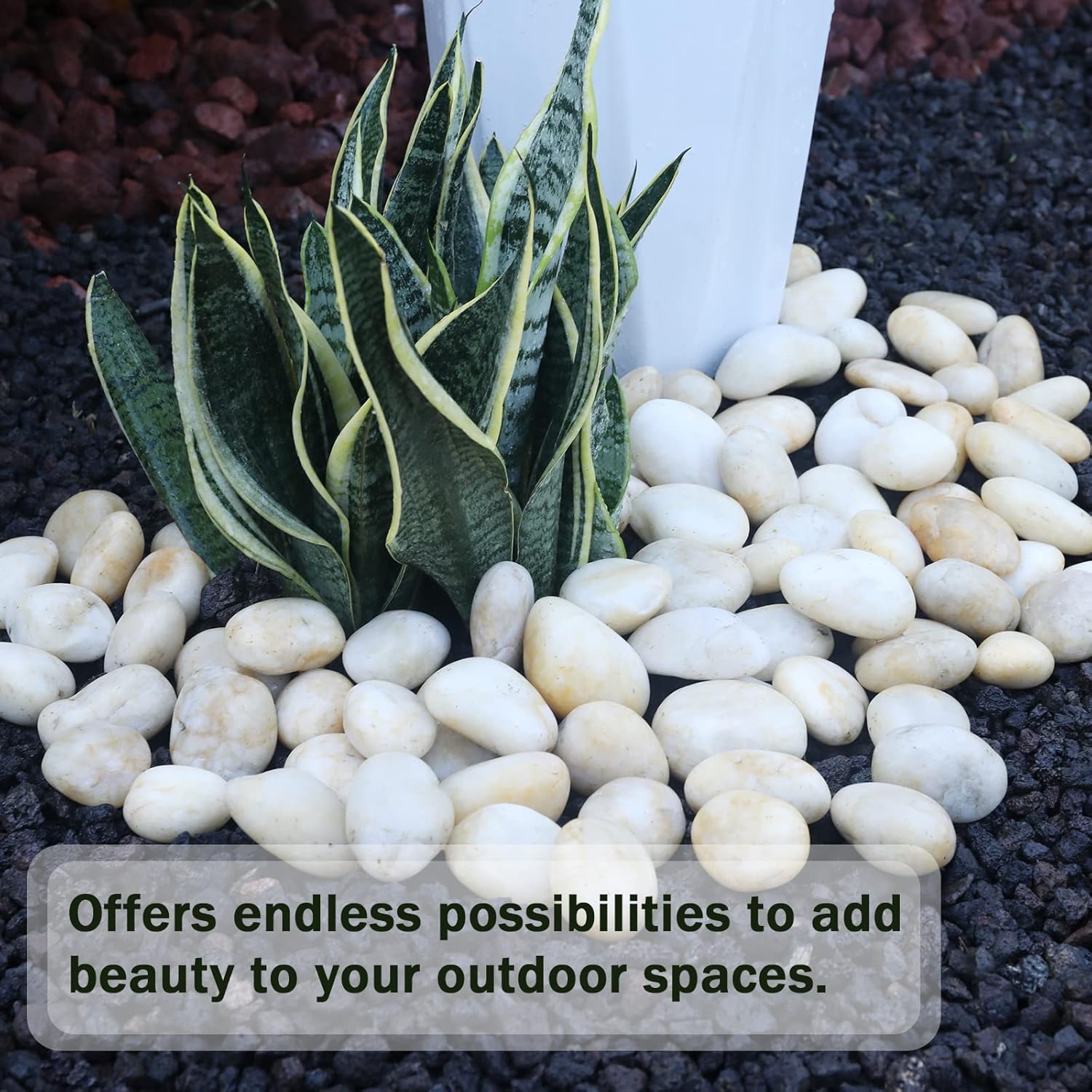
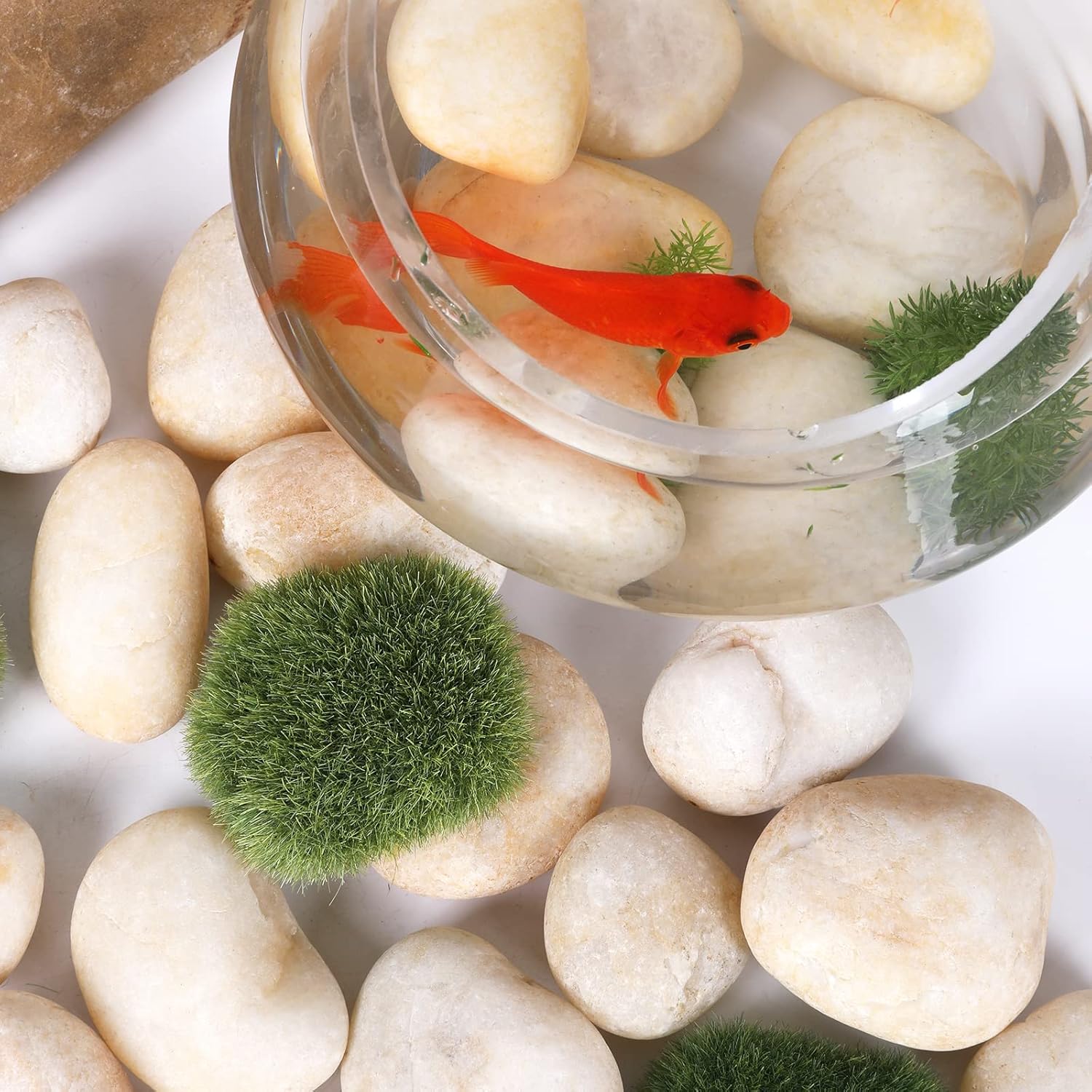
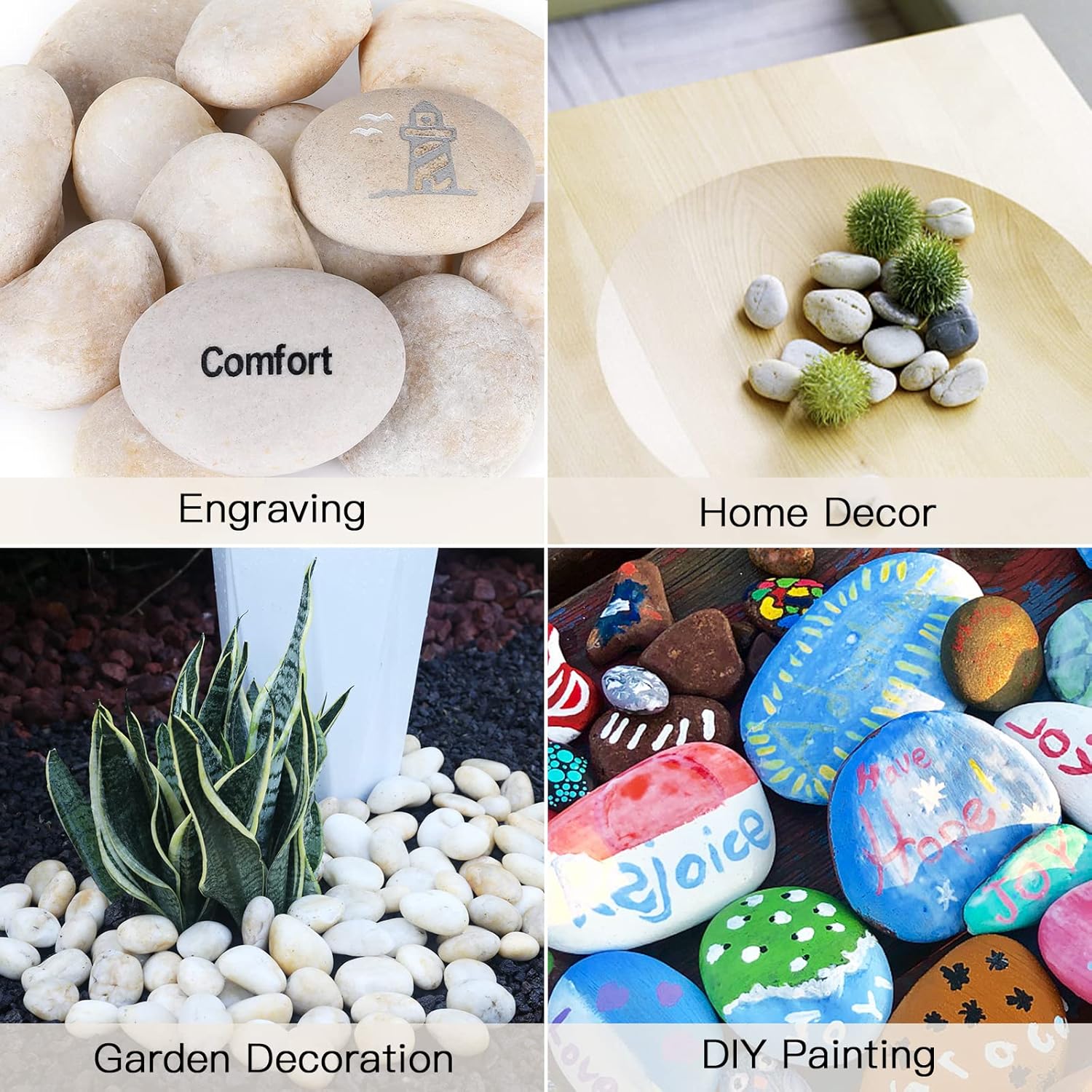
About This Product I. Primary Sources Yellow pebbles are formed through prolonged erosion by rivers and ocean waves, resulting in smooth, rounded stones. Their color primarily stems from the minerals they contain. Consequently, they are found in a wide range of locations—anywhere with rivers or coastlines. Common natural sources: River basins: The Yangtze and Yellow Rivers in China and their numerous tributaries (e.g., the Nanjing section in Jiangsu Province), as well as the riverbeds and tidal flats of major rivers in other countries. Ancient river channels or alluvial fans: Layers of pebbles left behind after historical river course changes. The primary component of yellow pebbles is quartz (silicon dioxide), which appears yellow due to impurities like iron. Primary production areas include Hexi District, Nanjing City, Jiangsu Province. This variety ranks among the most common and sought-after yellow pebbles in the market. II. Silicon Content Silicon content depends on specific mineral composition: - Yellow wax stone/quartz pebbles: Primarily composed of silica with extremely high content, typically exceeding 95% and reaching up to 99%. This represents the most prevalent scenario. For agate/chert pebbles: Silica remains the dominant component, approaching 100% content. For yellow pebbles formed from other rocks (e.g., sandstone, limestone): Silicon content is significantly lower, ranging from a few percent to several tens of percent. The yellow hue may originate from a surface iron oxide film or trace iron-bearing minerals within the stone. Summary: Most stones marketed as “yellow pebbles” are quartz-based, thus typically exhibiting very high silica content. Precise data requires mineralogical analysis of specific samples. III. Primary Uses Yellow pebbles find extensive applications due to their warm color, rounded shape, and hard texture: Landscaping & Decoration: Paving material: Used for pathways and surfaces in parks, courtyards, and residential areas. Water Feature Construction: Decorating the bases and edges of fountains, ponds, and streams. Flowerbed and Tree Pit Covering: Enhancing aesthetics while retaining moisture and preventing dust. Rockery and Bonsai Landscaping: Serving as key landscaping elements. Construction and Building Materials: As aggregate in concrete. Blended into cultured stone or artificial stone as decorative aggregate. Used for exterior wall dry-hanging or partial decoration. Interior Decoration: Used in indoor landscaping for homes, hotels, shopping malls, etc. (e.g., decorative walls, miniature landscapes). Serves as substrate or decoration for vases and fish tanks. Polished for use as ornaments, paperweights, etc. Crafts and Collectibles: Yellow wax stone/yellow dragon jade: High-quality specimens are used for carving crafts, crafting jewelry like bracelets and pendants, possessing significant ornamental and collectible value. Unusually shaped or patterned “curious stones” can be collected as natural artworks. Industrial Applications: High-purity quartz pebbles serve as raw materials for glass, ferrosilicon, and industrial silicon production (though typically less economical than specialized ores). Used as filtration media in water treatment. Health & Leisure: Employed in reflexology pathways. Used as heat therapy stones (due to high specific heat capacity and excellent heat retention).