
Polished red pebbles and Mexican Beach Pebbles
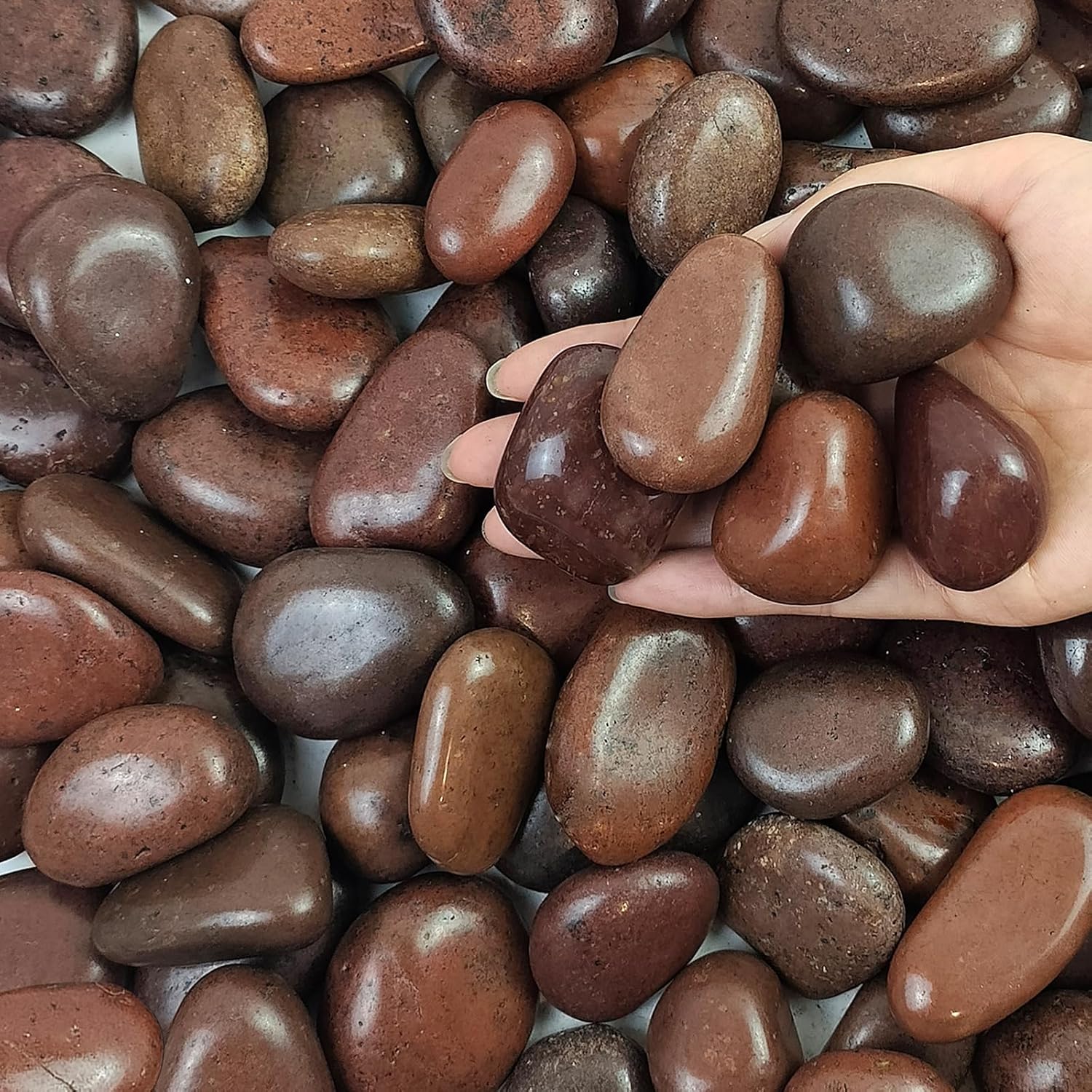
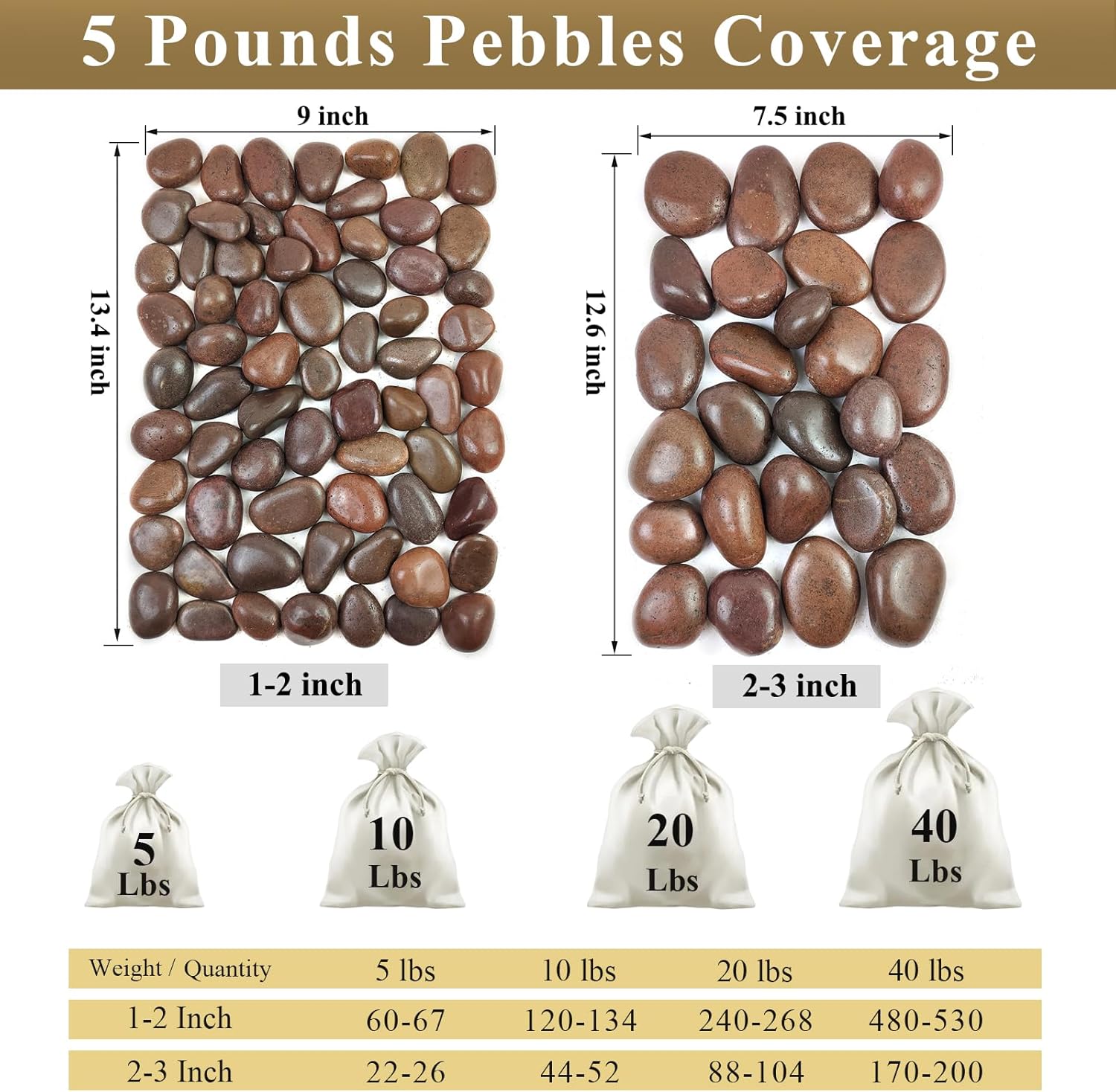
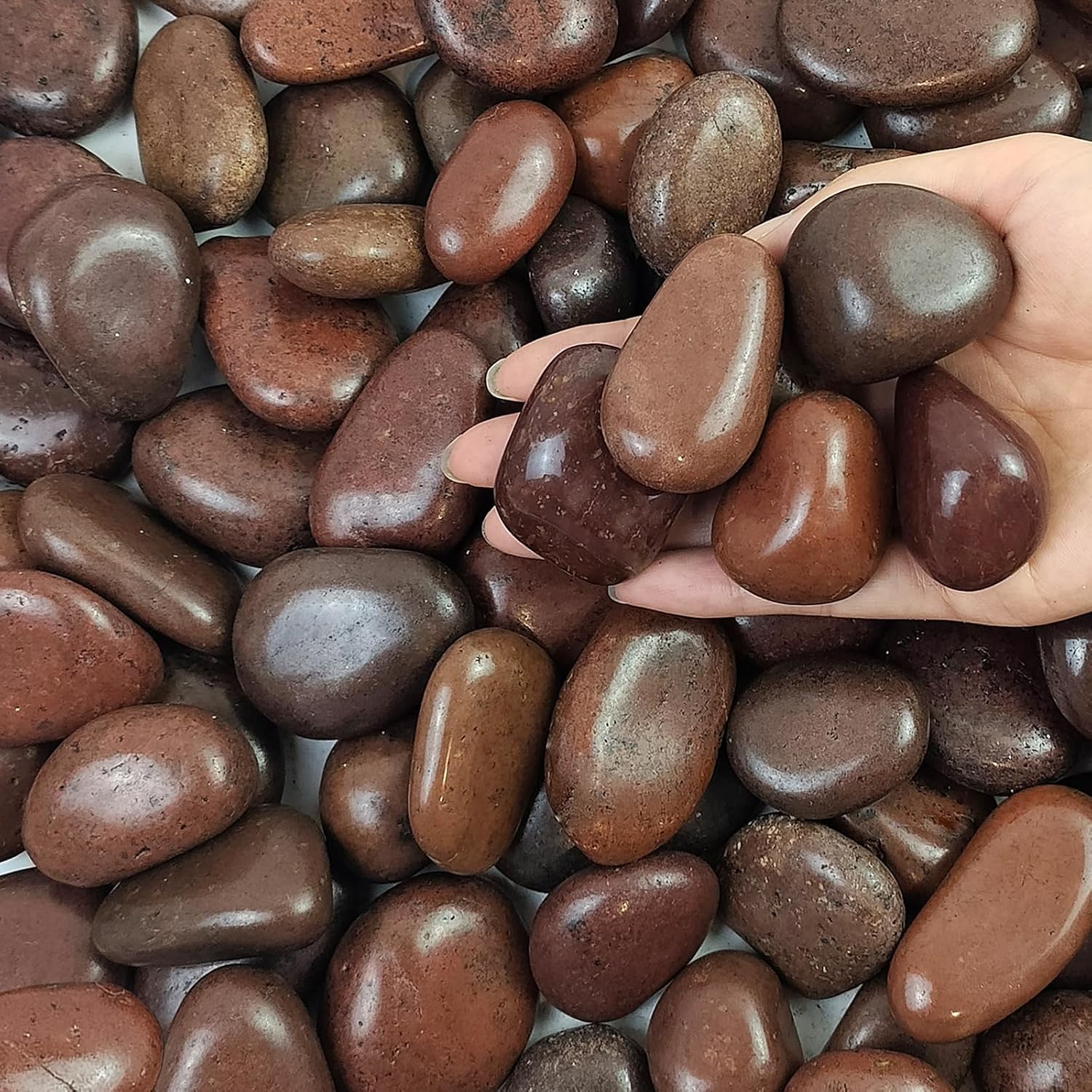 | Polished red pebblessurface:Smooth and shiny size:1/8in,3/8in,5/8in,1-2in,2-3in,3-4in,1-2cm , 2-3cm , 3-5cm , 5-8cm Price:$ 520 / ton |
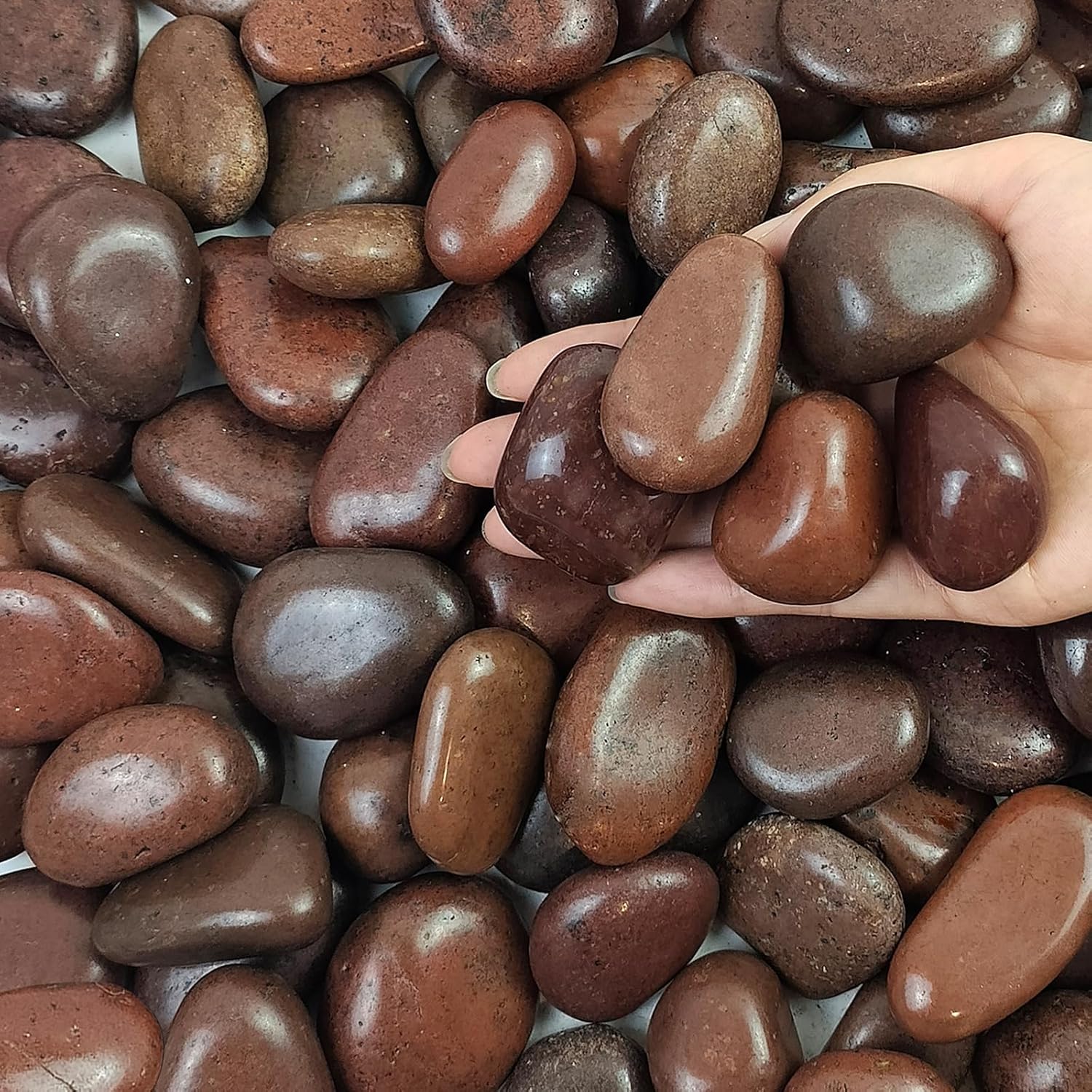
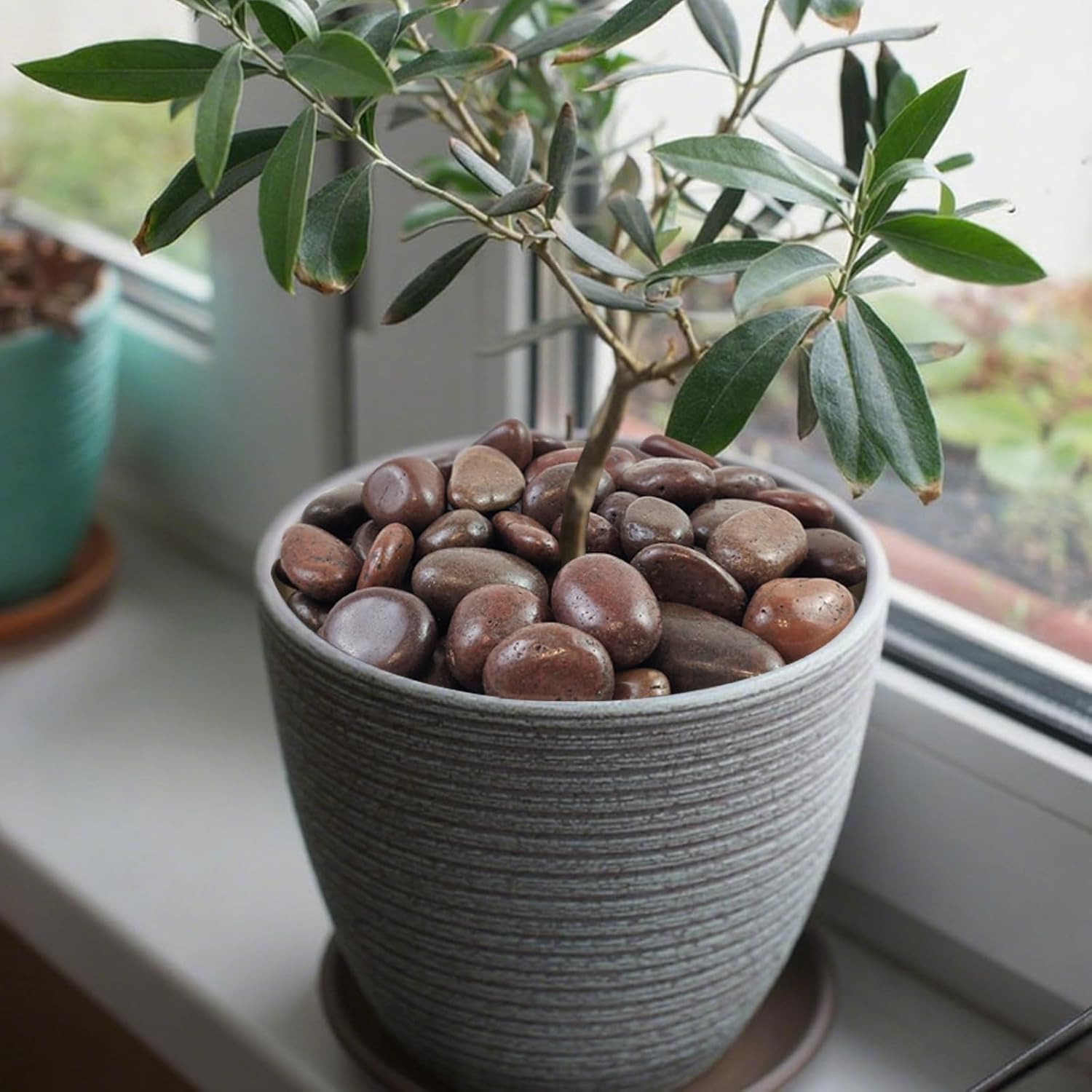
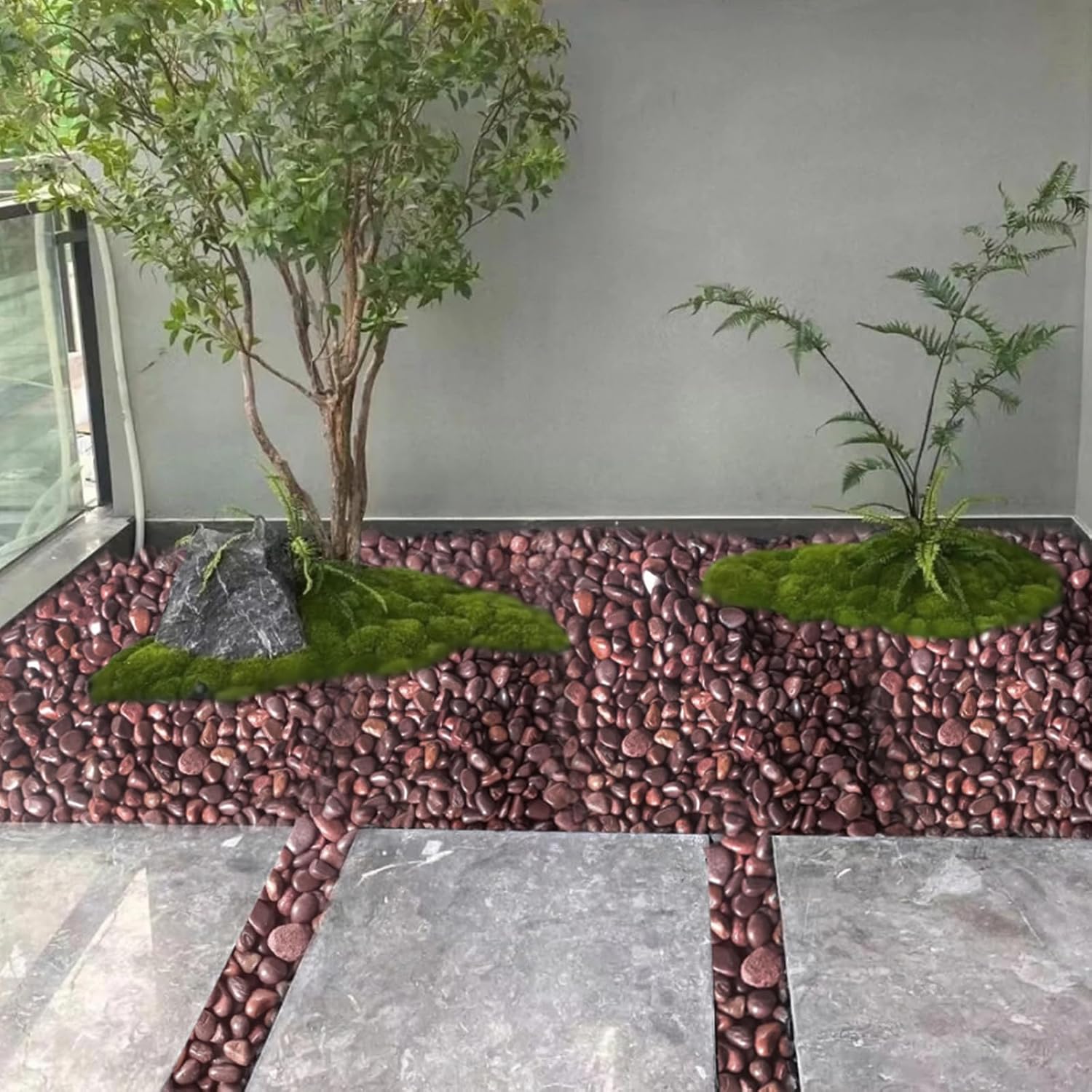
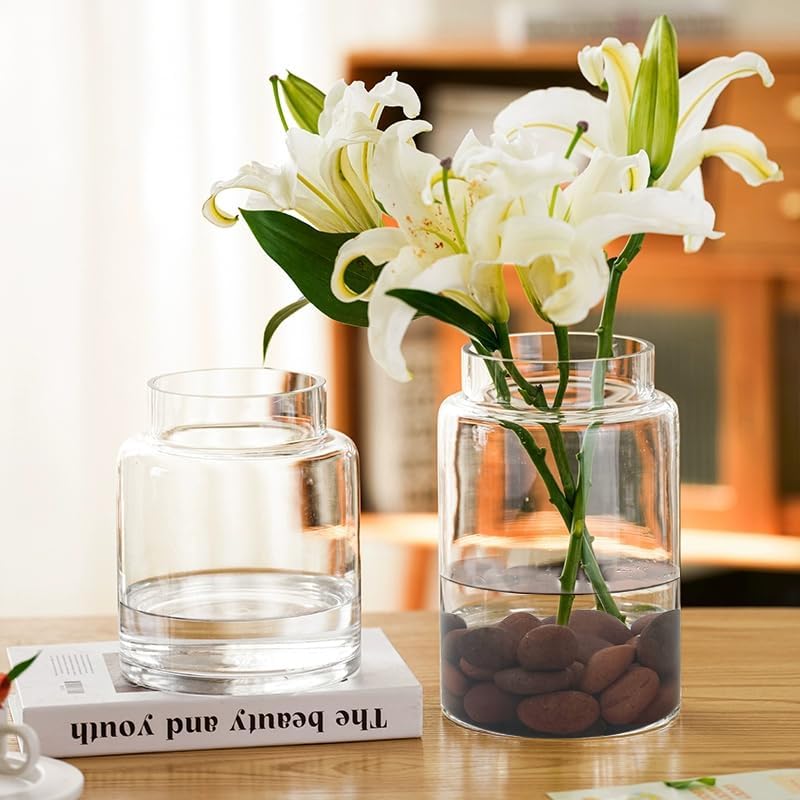
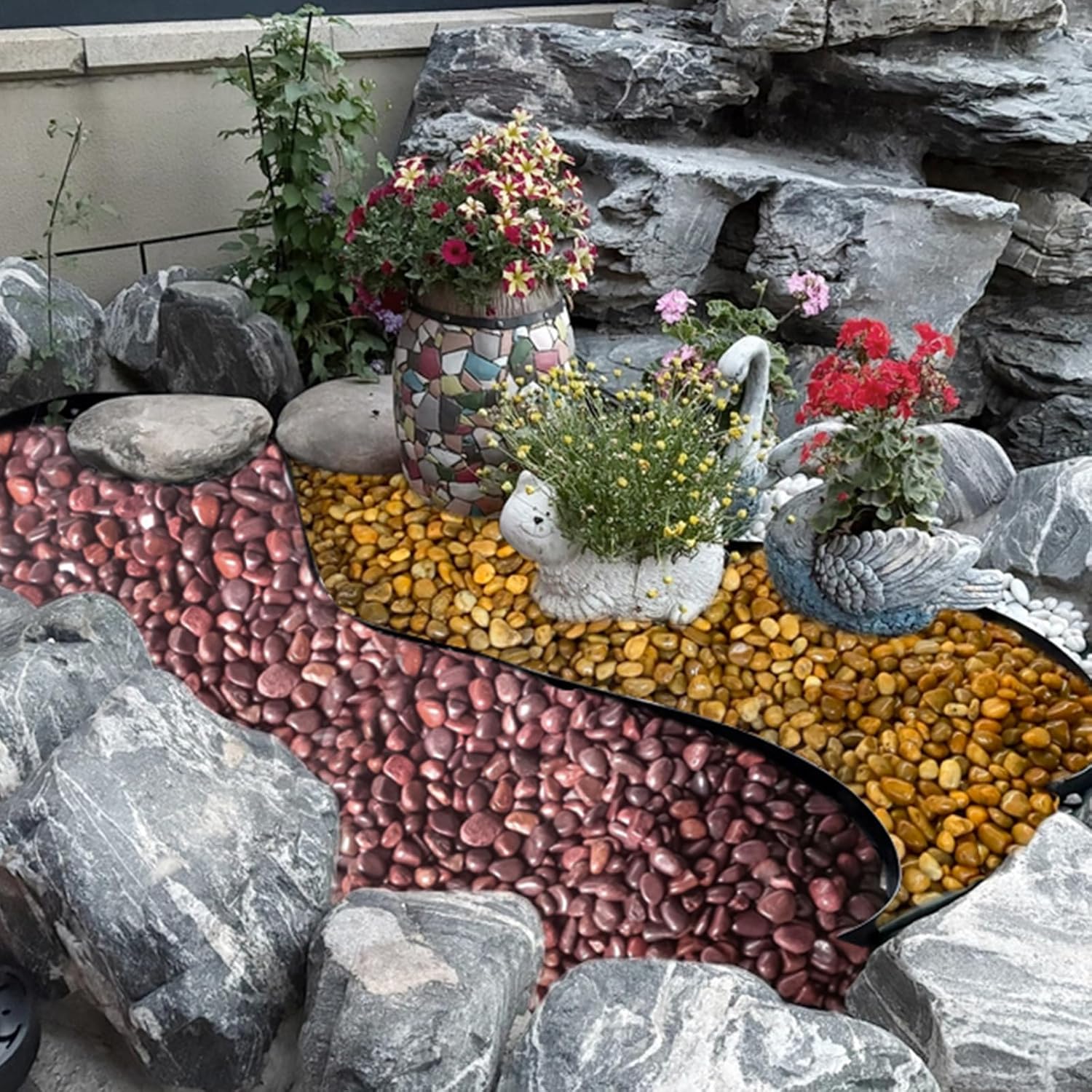
Red pebbles are commonly used decorative stones for courtyards and gardens. While generally affordable, naturally red pebbles command higher prices than artificially dyed ones. Specific pricing depends on your purchasing channel and intended use.
1. Primary Production Areas (Affecting Color and Price)
Primary Natural Red Production Area: Nanjing, China. Pebbles from this region feature high iron content, naturally oxidized by river erosion to produce an antique, organic hue. They boast superior texture but command relatively higher prices.
Artificial Dyeing Hub: Nanjing, China. Local manufacturers dye or high-temperature calcine ordinary gray pebbles into vibrant reds. Mass production results in extremely low costs.
2. Common Sizes (Unit: cm)
Small pebbles (1-3cm): Used for aquariums, container garden surfaces, and path edging.
Standard size (3-8cm): Most popular, suitable for garden pathways and flower bed borders.
Large sizes (10-20cm+): Used as focal landscape stones or riverbank reinforcement. Priced per piece or ton.
3. Is the color natural? — Key identification points
Natural red: Uneven coloring with varying depths (dark red, brownish red, yellowish red), featuring natural surface patterns and spots. Higher priced but permanently fade-resistant.
Dyed Red: Features vibrant, uniform hues (e.g., true red, orange-red) resembling paint. Fades and peels over time outdoors, revealing underlying grayish-white core. Extremely low-cost.
Recommendation: For long-term outdoor use (e.g., courtyards), strongly consider investing in natural stone for lasting results. For short-term indoor decor or tight budgets, dyed stone may be viable—but accept its inherent fading.
4. Primary Functions and Uses